Fixed Rides and Roller Coasters
At Aidaptive, we navigate the complexities of compliance standards Amusement Rides and Devices. Our engineering regime covers the full spectrum of compliance: from Design Registration and Annual Periodic Inspections to the mandatory 10-Year Major Inspection. We go beyond visual checks, utilising Failure Modes Effect Analysis (FMEA), Reliability Centred Maintenance (RCM) and advanced NDT coordination to ensure your assets are not only compliant but performing at peak reliability.
Design Verification & Registration
For registration of the device, an independent professional engineer must review the design (structural, mechanical, electrical and control) to ensure it meets safety factors, G-force limits, containment requirements and failure to safety.
Once verified, the design is registered with the state regulator (e.g., SafeWork NSW, WorkSafe VIC, WorkSafe Qld) to receive a unique Plant Design Registration number.
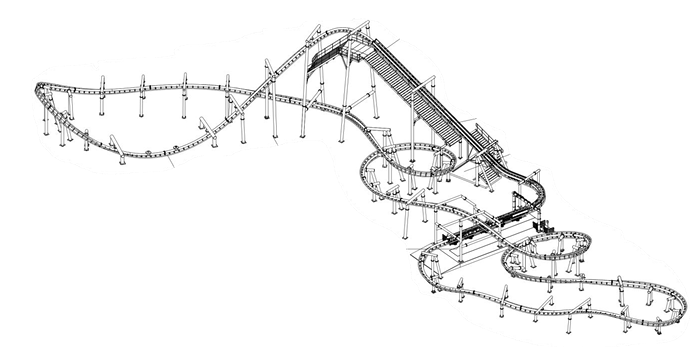
Commissioning & Initial Inspection
Once the ride is installed, it must undergo a “First Inspection.” This involves testing the ride under load and no-load conditions, verifying the safety systems (PLC, device detection, brakes, stopping systems), and ensuring the installation matches the registered design.
Annual Periodic Inspection
(The Core Regime)
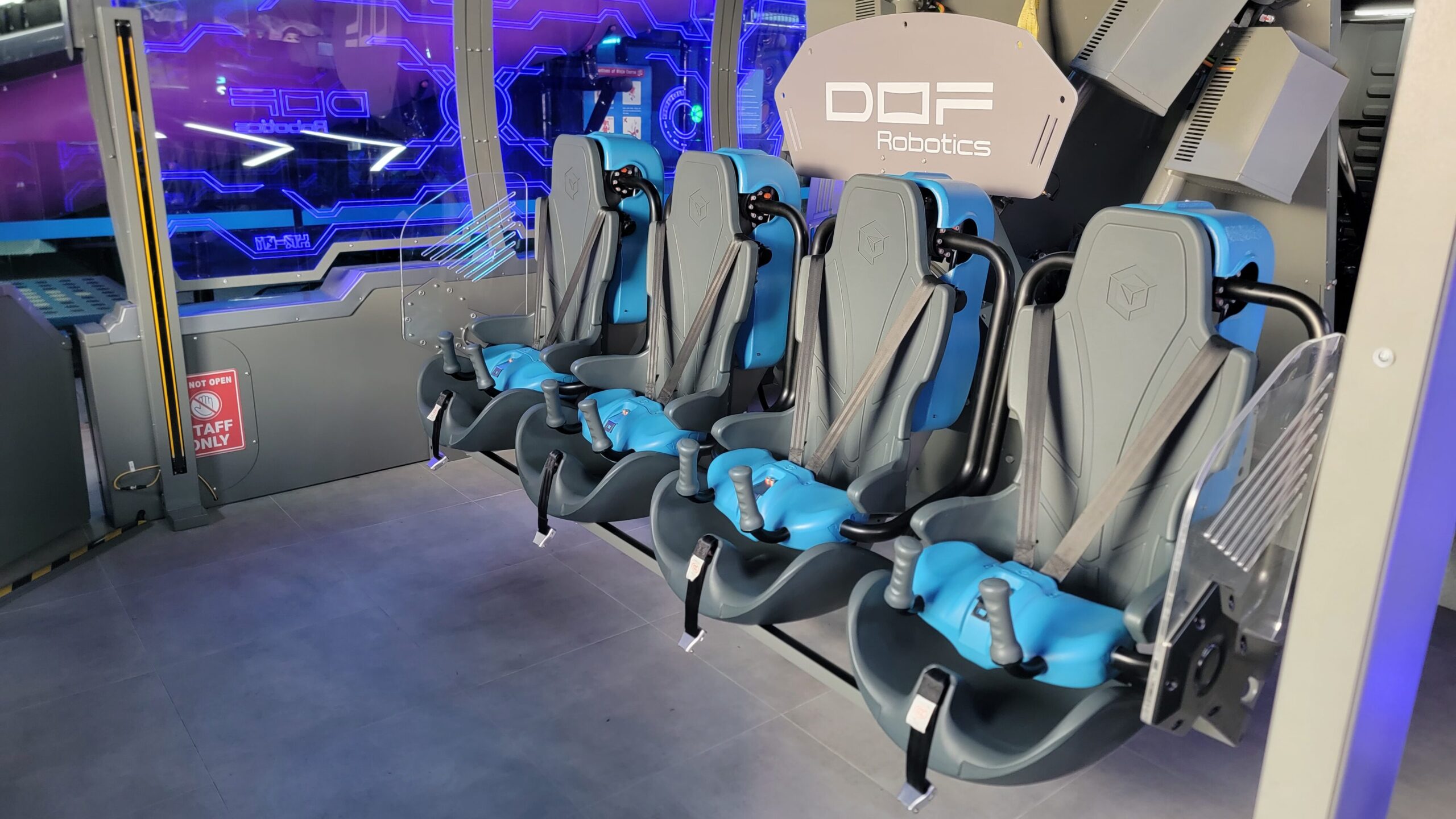
Every 12 months, fixed rides and roller coasters must undergo a comprehensive safety inspection to remain in service. These inspections are carried out by an independent Competent Person (as defined by the WHS Act), usually a professional engineer supplemented with specialised inspectors (as required).
Structural: Visual and Non-Destructive Testing (NDT) of critical welds, machined structures, track foundations, and supports.
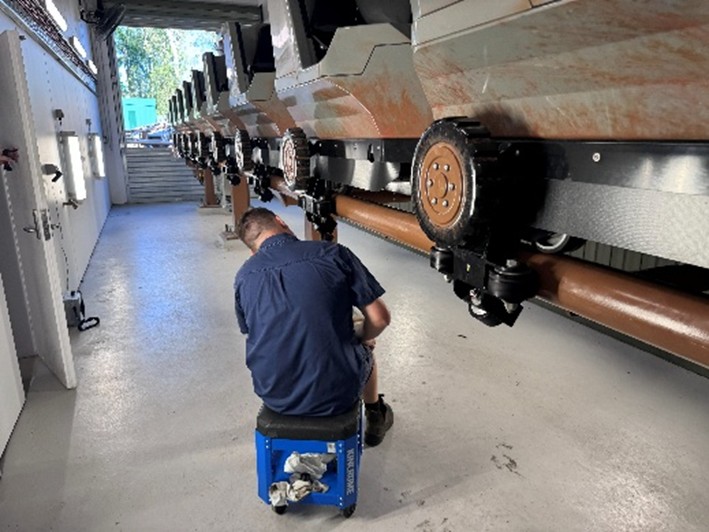
Mechanical: Inspection of wheel assemblies, restraints, braking systems, couplings and drive motors/lift systems. Hydraulics, pneumatics and other stored energy systems are also inspected.
Electrical/Control: Functional testing and fault injection of the control system, emergency systems, safety interlocks and backup systems.
Major Inspection
(10-Year Teardown)
This is the most critical milestone for any fixed ride and required every 10 years (or sooner if specified by the manufacturer). The 10 year inspection looks at everything not addressed by annual and periodic service inspections.
The ride must be partially or fully stripped down. Paint may be removed from critical joints, and hidden components (bearings, internal shafts) are inspected for fatigue that cannot be seen during an annual visual check.
During the Major Inspection, design related safety systems/control and functional components are also examined to determine if new technology solutions, supplier upgrades or EOL component replacements are available.
A certificate is issued confirming the device is safe for another period of service.
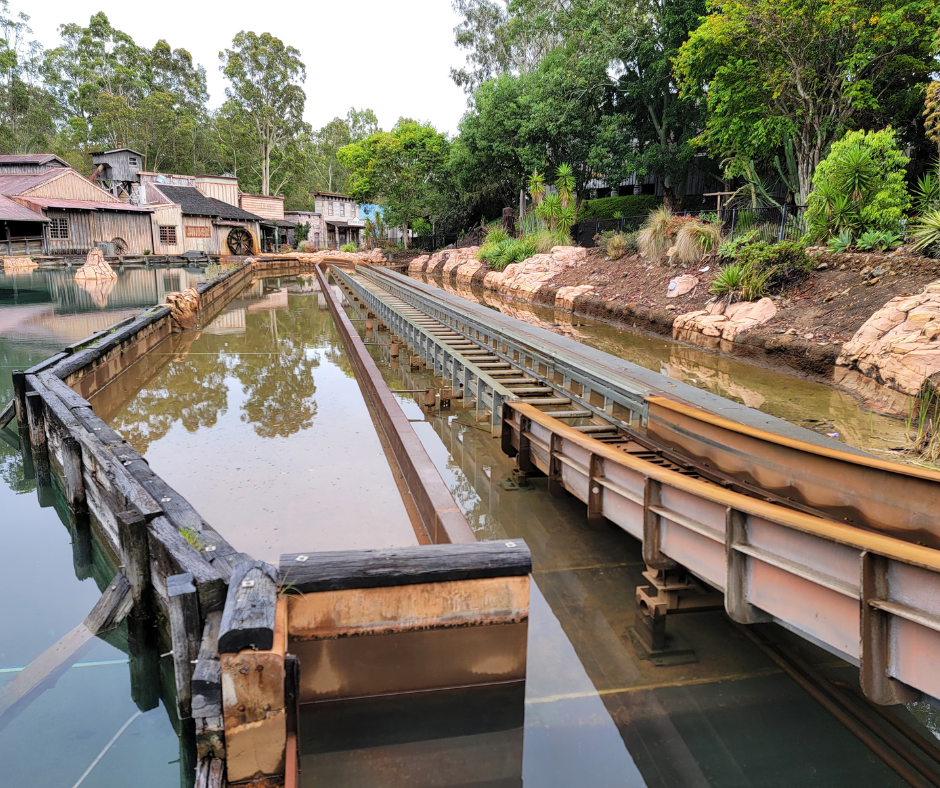
Non-Destructive Testing (NDT) Program
Unlike many simpler attractions, roller coasters require a specific NDT schedule. These include Magnetic Particle Inspection (MPI), Ultrasonic Testing (UT), Eddy Current Testing and in some circumstances, X-ray examination.
The target areas are High-stress locations: axles, spindles, car couplings, and track junctions. The frequency of these tests is often dictated by the manufacturer but must meet the minimum requirements of AS 3533.3 or the location adopted standards (EN/ASTM/ISO)
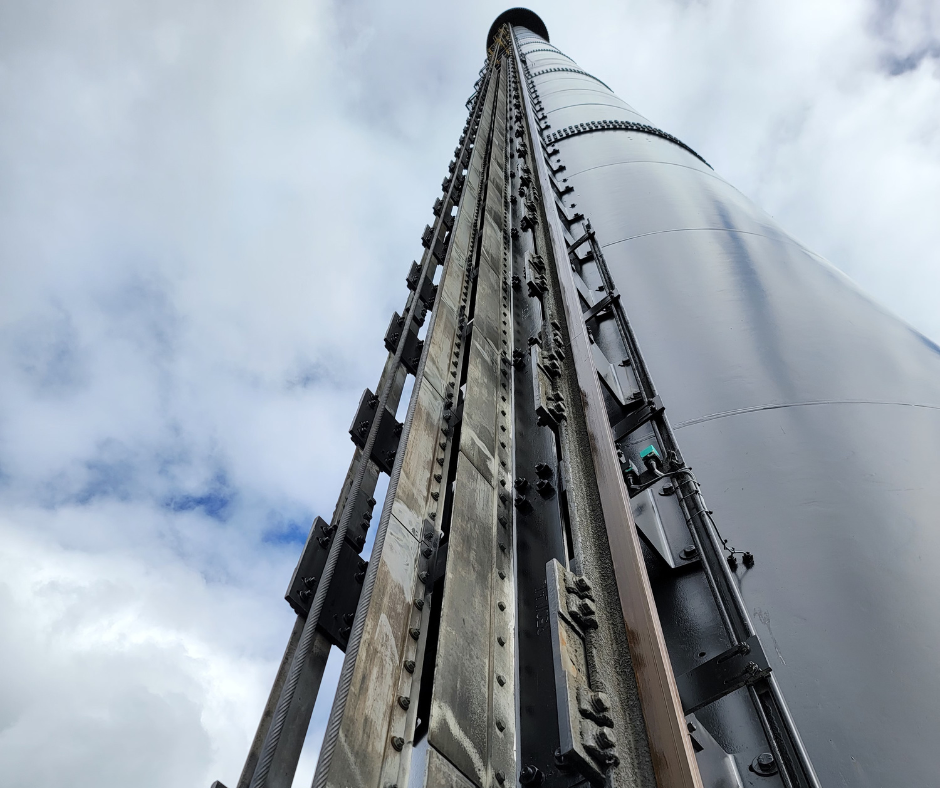
Daily & Logbook Maintenance
As part of the “engineering inspection” the compliance standard requires that Pre-start Checks are completed daily by trained operators/technicians.
The Logbooks are required to have meticulous record-keeping of every cycle, fault, and repair. Our engineers will review these logbooks during the Annual Inspection to look for performance trends that may indicate progressive safety or critical system reliability faults could be imminent.
At Aidaptive we don’t just “check boxes” we ensure:
– Safe Machines
– Safe Operators
– Safe Guests